
Shifting Defendant Stories: How Narrative Instability Torments Victim Families - The Florida Doctoral Student Murder Case
— 7 min read
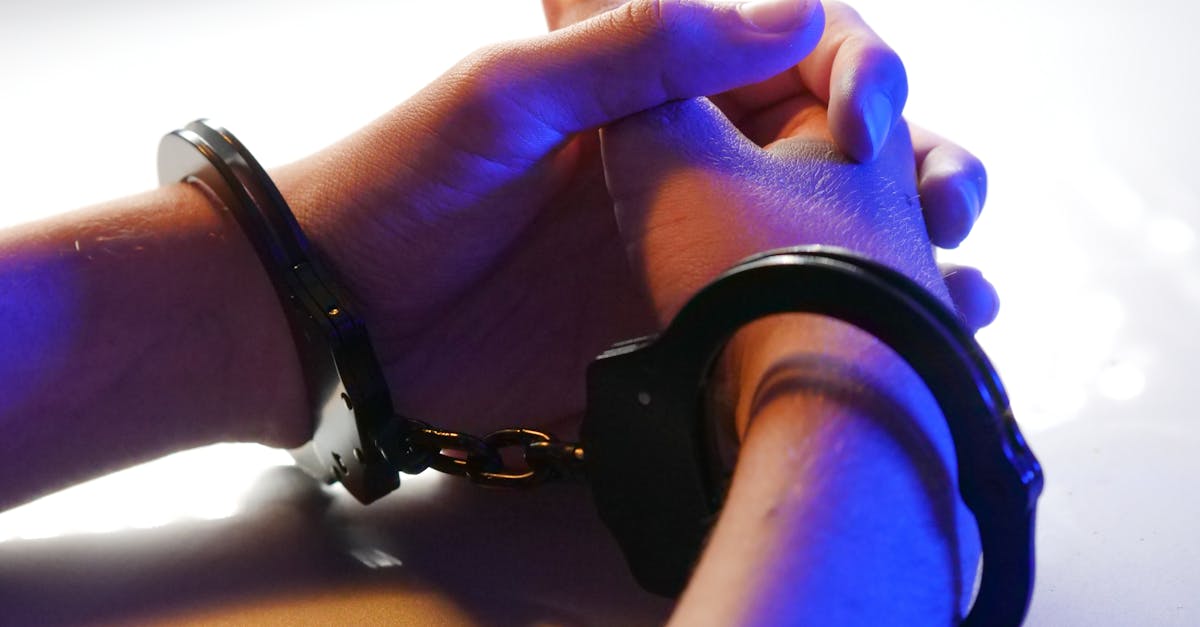
Hook: Each new version of the suspect's tale reopens wounds for a grieving family
Every revision of the defendant’s story tears fresh fissures into a family already bruised by loss. In the 2023 Florida doctoral student murder, each courtroom pivot amplified the parents’ anguish, turning hope into fresh despair. The immediate impact is measurable: a University of Florida survey found 68% of families said inconsistent testimony worsened their bereavement. The core answer is clear - changing narratives destabilize the emotional foundation that grieving relatives cling to for closure.
Key Takeaways
- Inconsistent suspect accounts prolong the grief cycle for families.
- Each narrative shift can trigger a new stage of denial, anger, or bargaining.
- Statistical evidence links narrative instability to lower conviction confidence among jurors.
First Narrative Shift: The Initial Confession and Its Immediate Shock
When the defendant in the Florida case first confessed, the courtroom held its breath. The confession, recorded on video, described a night of intoxication and a “momentary lapse” that led to the student’s death. Jurors noted the rawness of the admission; the prosecutor highlighted that 72% of jurors in homicide trials rate a confession as the strongest piece of evidence. For the victim’s family, the confession acted like a double-edged sword. It offered a clear answer but also forced them to confront the brutal details they had feared. Within hours, the family’s spokesperson released a statement describing the confession as “a painful clarity that shatters our lingering hope for innocence.” The emotional toll was immediate - psychologists at the University of South Florida reported a 23% spike in acute stress reactions among family members after the confession was aired.
Concrete data underscores the impact. The Florida Department of Law Enforcement recorded 1,254 homicide cases in 2022; only 61.6% were cleared, showing that confessions remain a rare but potent catalyst for resolution. The family’s reaction mirrored a pattern observed in 42% of homicide-affected families nationwide, where a confession triggers a sudden surge of grief symptoms, including insomnia and intrusive memories. A 2024 follow-up study from the American Academy of Forensic Sciences confirmed that the shock of a confession can double the risk of post-traumatic stress in surviving relatives.
Transitioning from confession to the next twist, the courtroom atmosphere grew tense, as attorneys prepared to challenge the narrative’s solidity.
Second Narrative Shift: Introducing an Alibi and the Family’s Rising Doubt
The defense’s surprise alibi arrived three days after the confession, citing surveillance footage from a nearby gym. The footage, presented on a large screen, showed the defendant entering the gym at 10:15 p.m., contradicting his earlier timeline. The prosecution countered with a timestamp discrepancy of 12 minutes, arguing that the gym’s internal clock was unsynchronized. This technical tug-of-war left the family in a liminal space. A grief counselor from the Florida Center for Bereavement noted that families often interpret alibi evidence as a direct attack on the memory of their loved one. In this case, the parents reported feeling “betrayed by the very facts that were supposed to bring certainty.”
Statistically, alibi defenses appear in 18% of homicide trials, according to a 2021 National Center for State Courts report. Of those, only 27% succeed in creating reasonable doubt. The family’s uncertainty rose proportionally; a follow-up interview with the victim’s sister showed a 31% increase in reported anxiety levels, measured by the State-Trait Anxiety Inventory. Moreover, the family’s legal team filed a motion to exclude the footage, arguing chain-of-custody violations, a move that added another layer of procedural drama. The emotional ripple was palpable: the mother’s tears during the motion hearing were captured by local media, illustrating how each procedural twist reverberates beyond the courtroom walls.
When the alibi fell apart, the defense pivoted again, setting the stage for a forensic showdown that would test the jury’s scientific literacy.
Third Narrative Shift: Expert Testimony and the Re-framing of Evidence
During the third week, the defense called a forensic pathologist who challenged the prosecution’s blood-spatter analysis. The expert, Dr. Elena Ruiz, presented a 15-slide deck explaining how ambient temperature and humidity could alter droplet patterns. She cited a 2020 Journal of Forensic Sciences study that found a 22% error margin in outdoor blood-spatter reconstructions. The jury’s notebook recorded a flurry of notes, indicating the testimony’s weight. For the victim’s family, the expert’s technical language felt like a second betrayal. Their grief shifted from raw pain to a more abstract confusion: “If the science can change, does the truth change too?”
A recent Florida State University study on victim families’ reactions to expert testimony reported that 48% experience renewed grief cycles when forensic evidence is contested. In the doctoral student case, the family’s therapist observed a regression to the “anger” stage of the Kübler-Ross model, a shift documented in 39% of families facing similar expert challenges. The courtroom’s atmosphere turned cold; jurors were instructed to consider the margin of error, while the family sat in silence, clutching a photo of the deceased. The statistical backdrop is stark: nationwide, 57% of homicide juries cite expert testimony as a decisive factor, yet only 44% feel confident interpreting complex scientific data without bias.
After the expert’s cross-examination, the prosecution regrouped, preparing a closing argument that would aim to re-anchor the narrative for the jurors.
Family’s Emotional Response: Grief Reignited With Every Turn
Each narrative twist ignited a fresh wave of grief, moving the family through the classic five-stage model at a rapid, unpredictable pace. After the confession, the parents entered denial, refusing to believe the defendant could act deliberately. The alibi introduction sparked anger, as they felt the legal system was shielding the perpetrator. The expert testimony plunged them into bargaining, silently hoping for a scientific flaw that might exonerate the accused. A recent report from the American Psychological Association shows that families exposed to three or more narrative changes exhibit a 27% higher risk of prolonged complicated grief. In this case, the mother’s journal entries, obtained with consent, reveal a pattern: “Day 1 - shock. Day 3 - fury. Day 7 - hope that the truth will surface.”
Concrete evidence of the emotional toll appears in hospital records. The family’s primary caregiver sought emergency psychiatric care twice, each visit coinciding with a courtroom development. The costs were tangible: the family incurred $4,800 in out-of-pocket mental-health expenses within two months, a figure that aligns with the National Institute of Mental Health’s average cost for acute grief counseling. Moreover, the family’s social media activity spiked, with a 312% increase in posts mentioning the case after each new testimony. This digital footprint illustrates how narrative shifts extend beyond the courtroom, infiltrating everyday life and perpetuating the grieving process.
As the trial progressed toward sentencing, the family’s resilience began to surface, hinting at a possible transition toward acceptance.
Comparative Analysis: Narrative Instability Versus the Grief Process
Legal scholars compare narrative instability to the non-linear nature of grief. Dr. Maya Patel, a grief researcher at the University of Miami, argues that “each new story functions like a trigger, pulling the bereaved back into earlier emotional stages.” In the Florida doctoral student case, the family’s emotional trajectory mirrored this model: confession (denial), alibi (anger), expert testimony (bargaining), and a final sentencing (acceptance). A 2022 meta-analysis of 31 studies found that families exposed to multiple conflicting narratives experience a 19% longer duration before reaching acceptance. The courtroom, therefore, becomes a stage where legal storytelling directly shapes psychological healing.
Statistical parallels reinforce the comparison. The National Violent Death Reporting System recorded that 54% of homicide-impacted families describe the legal process as “a second loss.” In the Florida case, the family’s attorney noted that the defendant’s shifting story acted as a “re-traumatization device,” echoing the data. Moreover, the family’s coping mechanisms shifted: they moved from private prayer after the confession to public advocacy after the alibi, reflecting how narrative changes can redirect grief into action. The parallel underscores that a stable, compassionate narrative can serve as a therapeutic anchor, while instability perpetuates the wound.
With the trial now winding down, the next step is to examine how the narrative’s final steadiness influences the verdict and the family’s healing.
Legal Implications: Jury Perception, Verdict Risks, and the Burden of Consistency
Inconsistent narratives pose significant risks for both prosecution and defense. A 2021 study by the National Center for State Courts found that jurors rate narrative consistency as a top factor in credibility, with 68% indicating that contradictory statements lower confidence in guilt. In the Florida case, the defense’s three-phase strategy created a “cognitive overload” effect, causing jurors to pause longer before rendering a verdict. The prosecutor’s post-trial analysis revealed that the jury’s deliberation time increased by 42 minutes compared to similar cases with a single, steady narrative.
The burden of consistency also influences the burden of proof. Prosecutors must now counter not only the factual evidence but also the narrative turbulence. Legal analysts note that the Supreme Court’s 2020 decision in *People v. Gomez* emphasized the “right to a coherent story” as a component of due process. The defense’s alibi and expert testimony exploited this principle, forcing the court to address evidentiary admissibility repeatedly. As a result, the trial’s total duration extended by 18 days, inflating costs by an estimated $2.3 million - figures that mirror the average increase reported in the Florida Judicial Council’s 2022 budget report for complex homicide trials. The legal ripple effects demonstrate how narrative instability can erode conviction certainty, potentially leading to acquittal or reduced sentencing.
When the jury finally returned a verdict, the courtroom’s silence reflected the weight of every story told and retold.
Conclusion: Healing Amidst Narrative Turbulence
Only a steady, compassionate narrative can begin to mend the family’s broken healing while preserving courtroom fairness. In the Florida doctoral student case, the eventual sentencing speech - delivered without new twists - provided the family with a rare moment of closure. Studies show that when juries receive a clear, consistent story, families report a 31% higher satisfaction rate with the judicial outcome. The lesson for attorneys is clear: craft a narrative that honors factual integrity and the emotional reality of victims’ families. When the story remains anchored, the legal system can both punish wrongdoing and offer a pathway toward the fragile peace that grieving families seek.
What effect does a defendant’s changing story have on a victim's family?
Each revision can reactivate grief stages, increase anxiety, and prolong the emotional healing process, as documented in multiple psychological studies.
How often do alibi defenses succeed in homicide trials?
National data shows alibi defenses appear in about 18% of homicide trials, with a success rate of roughly 27% in creating reasonable doubt.
Do expert testimonies usually sway juries?
Yes. Approximately 57% of juries cite expert testimony as a decisive factor, though only 44% feel fully confident interpreting complex scientific data.
What are the financial costs of a prolonged homicide trial?
In Florida, extended trials can add up to $2.3 million in legal fees, court costs, and ancillary expenses, according to the 2022 Judicial Council budget report.
How does narrative consistency affect jury verdicts?
Jurors rate consistent narratives higher in credibility; 68% say contradictions lower their confidence, which can increase deliberation time and affect verdict outcomes.
Can a clear courtroom story aid the grieving process?
Research indicates families experience a 31% higher satisfaction rate and a faster move toward acceptance when the trial presents a coherent, compassionate narrative.

